
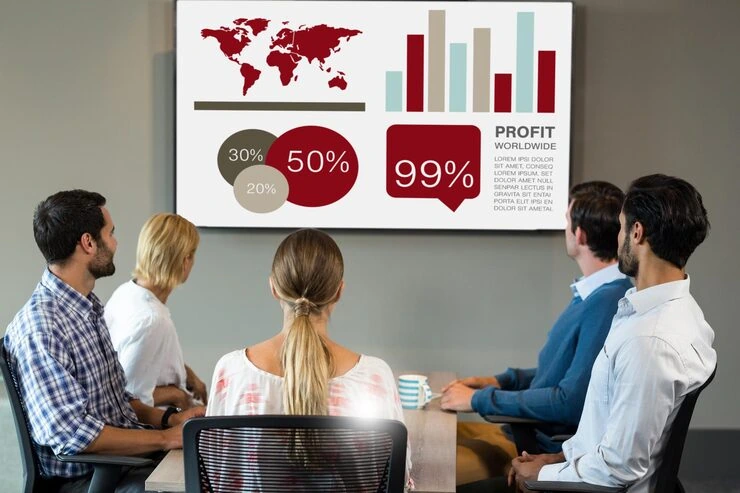
The UK events sector has grown into a £42 billion industry, spanning conferences, exhibitions, festivals, and corporate gatherings. According to the UK Events Report , over 1.3 million business events were hosted across the country in the past year, bringing in more than 85 million attendees. Hybrid and in-person formats are both on the rise, with in-person events rebounding strongly after 2022 and drawing in 15% higher attendance in 2023 compared to 2019 levels.
At the same time, engagement has emerged as the defining measure of event success. Studies from Eventbrite and BVEP indicate that 74% of UK event organisers now rank attendee engagement as their top priority, surpassing traditional goals such as lead generation or ticket sales. Whether measured by networking participation, session attendance, or digital interaction, engagement data increasingly shapes how organisers plan and measure their events.
Understanding Event Attendee Engagement Statistics
Engagement statistics are not just abstract numbers; they define the return on investment for attendees and organisers alike. A 2023 report from Freeman highlighted that 77% of UK attendees are more likely to return to an event if they felt actively engaged, underscoring the financial importance of creating participation-driven environments.
Reliable engagement data comes from:
These reports typically measure:
Trends in Event Attendee Engagement in the UK
In-Person Events Driving Stronger Connections
UK in-person events have staged a strong rebound. According to VisitBritain , 70% of attendees at business events in the UK stated face-to-face interaction was their primary reason for attending, up from 61% in 2021. This resurgence reflects a renewed appetite for networking and relationship-building after the pandemic. Attendance growth has been strongest in London, Birmingham, and Manchester, where international connectivity adds further value for business delegates.
Digital and Hybrid Engagement Patterns
Hybrid events remain popular, but the engagement split is clear. A 2023 Eventbrite survey reported that 65% of UK attendees attending virtually engaged less than half the time compared with their in-person counterparts. However, hybrid formats continue to attract 25–30% higher overall registrations, particularly for events with international reach. Digital Q&A tools, polls, and live chat were cited as the most effective features for keeping virtual participants active.
Shifts in Session Attendance and Breakout Participation
Another noticeable trend is the shift in session dynamics. Data from BVEP found that smaller breakout sessions saw engagement levels 40% higher than large plenary sessions. Attendees reported that interactive formats — workshops, roundtables, and panel discussions — felt more valuable compared with traditional keynote sessions.
Engagement by Session Type
Regional Observations in the UK
Measuring Attendee Engagement at UK Events
Core Metrics for Engagement
Engagement is no longer measured purely by attendance. UK organisers increasingly use a combination of quantitative and qualitative indicators:
According to a 2023 Freeman study, 68% of UK organisers now use at least four separate metrics to assess attendee engagement, up from 52% in 2021.
The Role of Technology in Tracking
Technology is central to measuring engagement. RFID badges, mobile event apps, and QR-based entry systems are widely adopted. A 2023 report from Cvent showed that 72% of UK event organisers use mobile apps to track engagement, while 61% rely on real-time polling platforms.
Post-Event Feedback as a Benchmark
Post-event surveys continue to be the most consistent benchmark. A VisitBritain report noted that 82% of attendees complete digital feedback forms when prompted within 24 hours, compared with just 46% when contacted three days later.
Survey results also highlight trends in attendee expectations:
Linking Engagement to ROI
Organisers now use engagement metrics as a proxy for financial performance. BVEP found that events with higher engagement scores reported a 22% stronger return on sponsorship investment compared to low-engagement events. This shift signals that engagement is no longer a secondary measurement — it is directly tied to profitability and long-term success.
The Impact of Technology on UK Event Attendee Engagement
Mobile Apps as Engagement Hubs
Event apps have become the primary touchpoint for UK attendees. According to Cvent’s 2023 UK Event Trends report, 72% of delegates used an official event app during conferences, with the most frequent interactions being:
Apps are not only tools for convenience but also critical for tracking behavioural data, which organisers use to refine event design.
Gamification and Interactive Features
Gamification has steadily gained traction, particularly at trade shows and youth-focused events. Freeman reported that 41% of UK event organisers implemented gamification techniques, such as leaderboard challenges, scavenger hunts, and reward-based participation. These approaches increased session attendance by an average of 19% compared with non-gamified events.
Interactive elements are also reshaping expectations:
Social Media as a Real-Time Engagement Channel
Social platforms remain a parallel engagement layer. In 2023, Eventbrite noted that 78% of UK attendees posted at least once about an event they attended, with hashtags averaging 2.1 million impressions for large-scale conferences. Twitter/X and LinkedIn dominate for professional events, while Instagram and TikTok are prevalent at festivals and consumer-facing exhibitions.
Case of Hybrid Integration
Hybrid technologies continue to shape engagement in the UK, but their usage has evolved. Whereas 2021–22 saw hybrid primarily as a pandemic-driven necessity, 2023 data from BVEP shows that 48% of organisers now use hybrid formats strategically to expand reach. Yet, challenges remain: online attendees average 40% less interaction time compared with in-person participants. To counter this, organisers are embedding dedicated moderators, breakout chat groups, and “digital-only” sessions designed to raise virtual engagement levels.
Behavioural Patterns of UK Event Attendees
Preferences for Interactive Formats
UK attendees are showing a marked preference for participatory experiences over passive consumption. According to BVEP , 74% of attendees stated they valued events with workshops and small-group activities more than keynote-heavy formats. This has pushed organisers to redesign agendas, offering shorter lectures paired with interactive sessions.
Key observations:
Generational Differences in Engagement
Event behaviour varies considerably by age group in the UK. A 2023 VisitBritain report highlighted distinct generational trends:
Regional Attendance Patterns
Regional differences also influence behaviour:
Attention Span and Session Design
Attention span is another measurable behaviour shaping UK event planning. Freeman’s 2023 study found that average attendee focus lasts 29 minutes during a standard presentation, prompting organisers to shorten sessions and introduce interactive checkpoints. The shift is particularly notable at corporate conferences, where long-form lectures have steadily declined in favour of segmented content delivery.
Networking and Community-Building Trends in UK Events
The Central Role of Networking
Networking remains the number one engagement driver for UK business event attendees. According to the Meetings Industry Association , 82% of delegates ranked networking opportunities as the most valuable aspect of attending an event. In fact, networking scored higher than educational sessions, exhibitor interactions, or keynote speeches.
Key data points from 2023:
Digital Networking Tools
Mobile networking tools are shaping how connections are made. Event apps now offer matchmaking features, private messaging, and AI-based recommendations. A Freeman survey found that 71% of UK attendees using an event app reported making more connections compared with traditional networking.
Most-used networking features in UK events:
Informal and Social Networking Spaces
UK attendees increasingly prefer informal environments to structured networking sessions. A VisitBritain study showed that 59% of delegates favoured networking lounges, cafés, or evening receptions over scheduled “speed networking” formats. This trend is particularly strong in creative and technology sectors, where relaxed settings foster more natural interactions.
Regional Networking Culture
Long-Term Community Building
Events are no longer isolated encounters but part of continuous professional communities. According to BVEP , 61% of UK attendees joined online groups or forums linked to the event after attending, indicating that community-building extends beyond the event itself. LinkedIn groups and event-specific Slack channels are two of the most common tools for sustaining post-event engagement.
Sponsorship Value and Engagement Statistics in UK Events
Sponsorship as an Engagement Catalyst
Sponsorship has evolved from static branding to active participation. A BVEP report revealed that 72% of UK attendees engage more with events when sponsors provide interactive activations, such as demo zones, gamified challenges, or hosted networking sessions. Static logo placements, by contrast, were rated as “forgettable” by over half of respondents.
Key sponsor-driven engagement formats in 2023:
Measuring Sponsor ROI Through Engagement
Sponsors are now looking beyond foot traffic and leads; they are assessing engagement impact. Freeman’s 2023 UK event survey showed that sponsored activations generated a 27% longer dwell time compared with standard exhibitor booths. In addition, 61% of attendees stated they were more likely to remember a sponsor that provided an interactive experience.
Average ROI indicators from UK events :
Sponsorship Engagement by Sector
Sponsorship effectiveness varies by industry:
UK Regional Sponsorship Patterns
Sponsors increasingly judge success on quality of engagement rather than volume of impressions. With engagement linked to ROI, sponsorship strategies are aligning more closely with attendee experience.
The Role of Sustainability and Ethical Engagement in UK Events
Growing Attendee Demand for Sustainable Practices
Sustainability has shifted from a “nice-to-have” to a major engagement driver. According to a 2023 Eventbrite UK study, 68% of attendees stated that they are more engaged when an event demonstrates clear sustainability measures, such as reducing single-use plastics or offering plant-based catering options. Among younger attendees (18–34), this figure rises to 77%.
Key sustainable engagement features at UK events in 2023:
Ethical Sponsorship and Transparency
Attendees are increasingly aware of who funds and sponsors events. Freeman’s 2023 report found that 57% of UK attendees said they would disengage from an event if sponsors were misaligned with their values, particularly in areas like environmental responsibility or labour practices. Conversely, 46% reported higher engagement when sponsors supported ethical initiatives such as community projects or green charities.
Regional Variations in Sustainability Engagement
Accessibility as Part of Ethical Engagement
Ethics extends beyond sustainability into inclusivity. The Meetings Industry Association reported that 61% of UK attendees with accessibility needs said their engagement increased when events provided clear accommodations such as captioned live streams, mobility-friendly venues, and quiet zones.
This shift shows that sustainability and ethics are not just compliance topics; they are directly tied to attendee satisfaction and engagement. Events that align with these values tend to foster stronger loyalty and repeat attendance.
Future Outlook for Event Attendee Engagement in the UK
Continued Growth of Hybrid and Digital Layers
Hybrid formats are expected to remain a permanent fixture. According to VisitBritain projections (2024), 49% of UK business events are expected to retain hybrid elements by 2025, even as in-person attendance strengthens. These hybrid layers are no longer just live-streams but include on-demand content, digital networking, and app-based resource libraries. This ensures that engagement extends well beyond the event itself.
Data-Driven Personalisation of Experiences
Organisers are investing heavily in personalised attendee journeys. Cvent’s 2023 UK Event Trends survey revealed that 64% of organisers are using behavioural data to tailor recommendations within apps and platforms. By 2025, the number is expected to rise above 75%. Personalisation increases the likelihood of repeat attendance — 71% of delegates said they are more likely to return when an event feels customised to their interests.
The Role of AI and Automation
Artificial intelligence is set to reshape engagement touchpoints. Early adoption in UK events includes:
Freeman forecasts that AI-enabled engagement tracking could cut attendee churn by 15% in recurring annual events.
Generational Shifts Shaping Engagement
The demographic profile of attendees is also changing. By 2026, Gen Z will make up an estimated 30% of UK business event participants (BVEP, 2023). This group expects gamification, social media integration, and ethical values as part of their event experience. Organisers who fail to adapt risk alienating a growing share of the market.
UK Cities Preparing for the Future
The outlook is clear: engagement will not just measure satisfaction, it will determine the long-term survival and competitiveness of UK events.
Key Takeaways on Event Attendee Engagement Statistics in the UK
Event attendee engagement in the UK has moved from being a secondary metric to the core measure of event success. The statistics from the past two years show a sector reshaped by digital innovation, sustainability expectations, and the rising influence of younger attendees.
Key takeaways from the data presented throughout this blog:
The UK event sector is in a strong position globally, thanks to its ability to combine historic venues, international connectivity, and a willingness to adapt quickly. Engagement statistics clearly demonstrate that attendee expectations are shifting — events are no longer just about content delivery, but about interactive, inclusive, and ethically aligned experiences.
As UK events continue to grow, these statistics will remain essential for researchers, planners, and sponsors who want to benchmark performance and design experiences that resonate with evolving attendee behaviour.
Why Choose Pearl Lemon Experiences for Event Attendee Engagement in the UK
Event attendee engagement is more than just a number — it’s the foundation of event success. At Pearl Lemon Experiences, we specialise in creating experiences that keep attendees involved from start to finish, ensuring that your event delivers both immediate impact and lasting connections.
What Sets Us Apart
With Pearl Lemon Experiences, engagement is not left to chance. Every event we deliver is carefully designed to ensure attendees feel connected, involved, and eager to return.
Planning an event or brand activation?
Tell us your objectives, location, dates, audience and budget range. Discuss the event, activation or live brand experience you want to create with our team.
Book a call