
Jaeger-LeCoultre
Kemp House, 152–160 City Road, London EC1V 2NX, United Kingdom
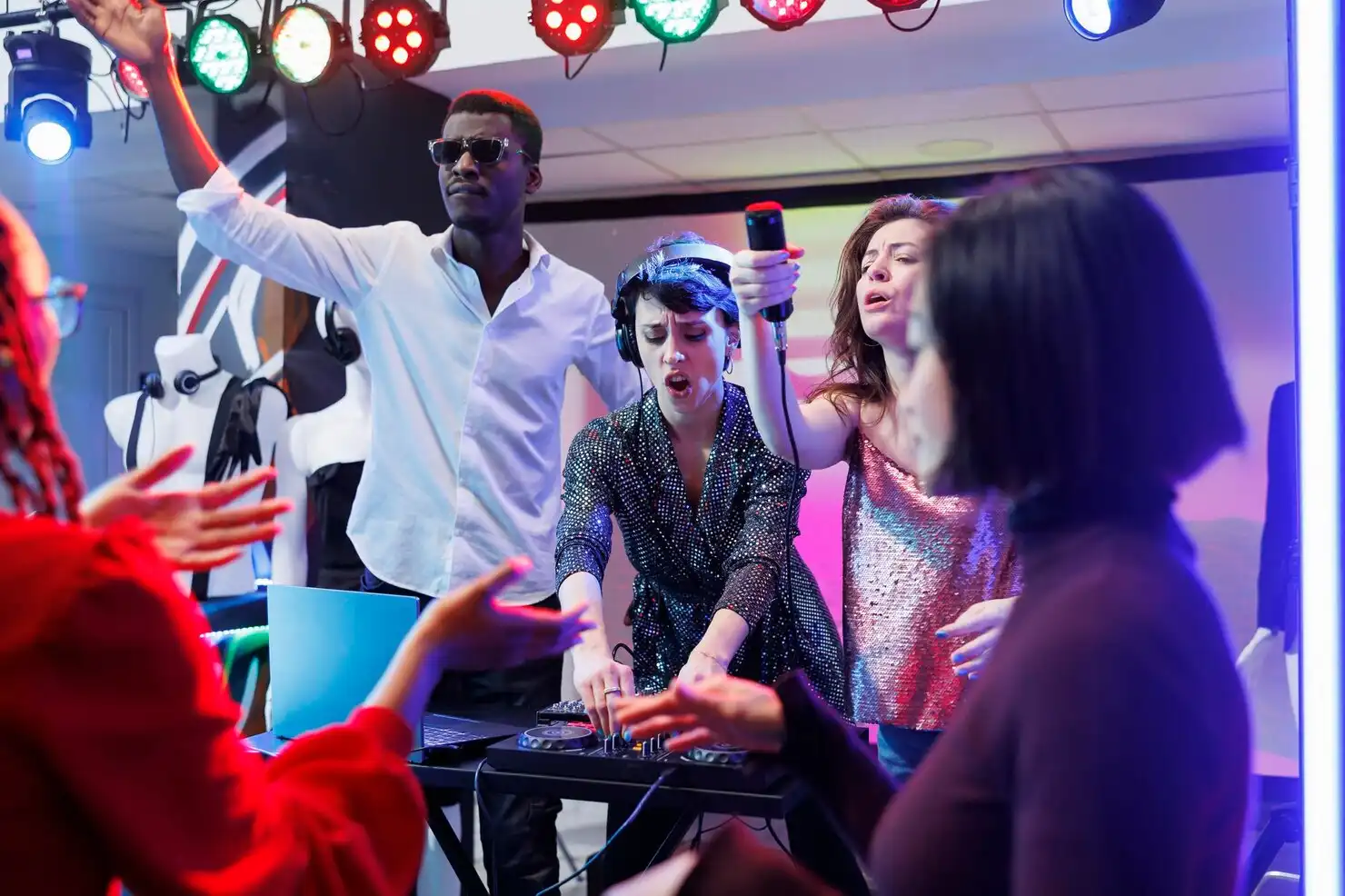
Pearl Lemon designs and delivers seasonal corporate activations — including Halloween and Chinese New Year programmes — where the calendar moment carries the internal engagement objective.
Brand Activation Case Study — seasonal themed activations delivered in London for a corporate client in 2023–2024.
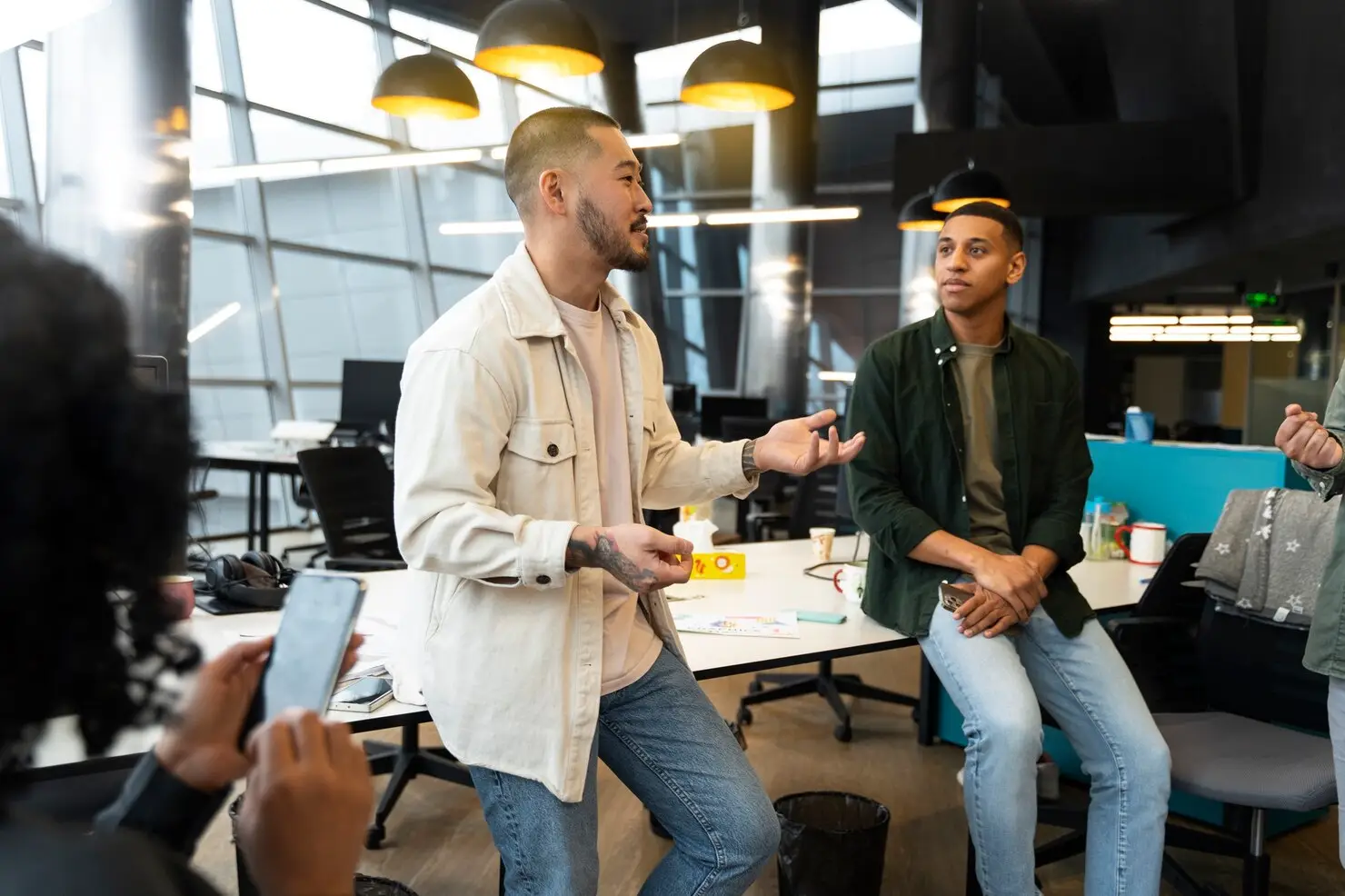
Corporate clients (Pearl Lemon Group) · London · 2023–2024 · Seasonal themed activations
Delivered by Pearl Lemon Experiences, the events division of Pearl Lemon Group.
Last reviewed 13 October 2026.
Corporate teams use calendar moments to bring people into the office and give internal communications something to hang on. These activations have to feel genuinely designed rather than decorated, and they have to work inside a normal working day.
In short
Seasonal internal activations run to a date that cannot move, inside a normal working day, with theming that reads as considered rather than costume. Booking early against peak-season supply is the single decision that determines whether the format works.
Three constraints combine. The date is fixed by the calendar, so late supply problems have no rescue option — Halloween cannot slip to the following Tuesday. The event has to sit inside a working day, which means it cannot need hours of visible set-up and cannot leave the floor unusable afterwards. And the theming has to be credible: an internal audience is quick to read a seasonal moment as either a genuine thank-you or a box being ticked, and cheap theming actively signals the latter. On top of that, everyone else in the market is buying the same dates. Crew, props and seasonal ingredients are contended, and the brands that get the good version are the ones that committed early.
These programmes run in offices and event spaces that are in normal use up to the moment the activation starts. Set-up happens around meetings, deliveries route through a working reception, and breakdown has to leave the space ready for the next morning. Attendance is voluntary and clustered around lunch or the end of the day, so demand arrives in a spike. Because the audience is internal, expectations are shaped by what the company did last year — the format has to move forward each cycle rather than simply repeat.
A seasonal activation is worthless the day after. Every dependency is planned against a fixed, non-negotiable date in a period when suppliers are at their busiest.
Office activations run alongside meetings and deadlines, so set-up, service and breakdown all have to fit the building's rhythm without shutting the floor down.
The difference between an activation and decoration is whether the theme runs through the format, the serve and the crew rather than just the props.
The theme drives the menu, the stand and the interaction, so the activation reads as designed for that occasion rather than a generic event with seasonal props added.
Set-up and breakdown are planned around building access and floor use so the activation lands without disrupting the business.
Seasonal dates compete for the same crew and stock across the whole market, so commitments are locked well ahead of the date.
Each programme was designed around what the seasonal moment actually means to the audience rather than applying generic decoration. The result is theming that connects to the occasion — recognisable, appropriate to a workplace, and photographed willingly by staff rather than endured.
Set-up, service and breakdown were planned to fit around the floor's normal use, so the activation created a break in the day rather than an interruption to it. That usually means a compact set-up window, a service peak aligned to a natural break, and a clean exit before the space is needed again.
Seasonal dates are the tightest supply moments in the calendar. Crew, props and specialist ingredients were secured well ahead, which is the difference between delivering the intended concept and delivering whatever remained available three weeks out.

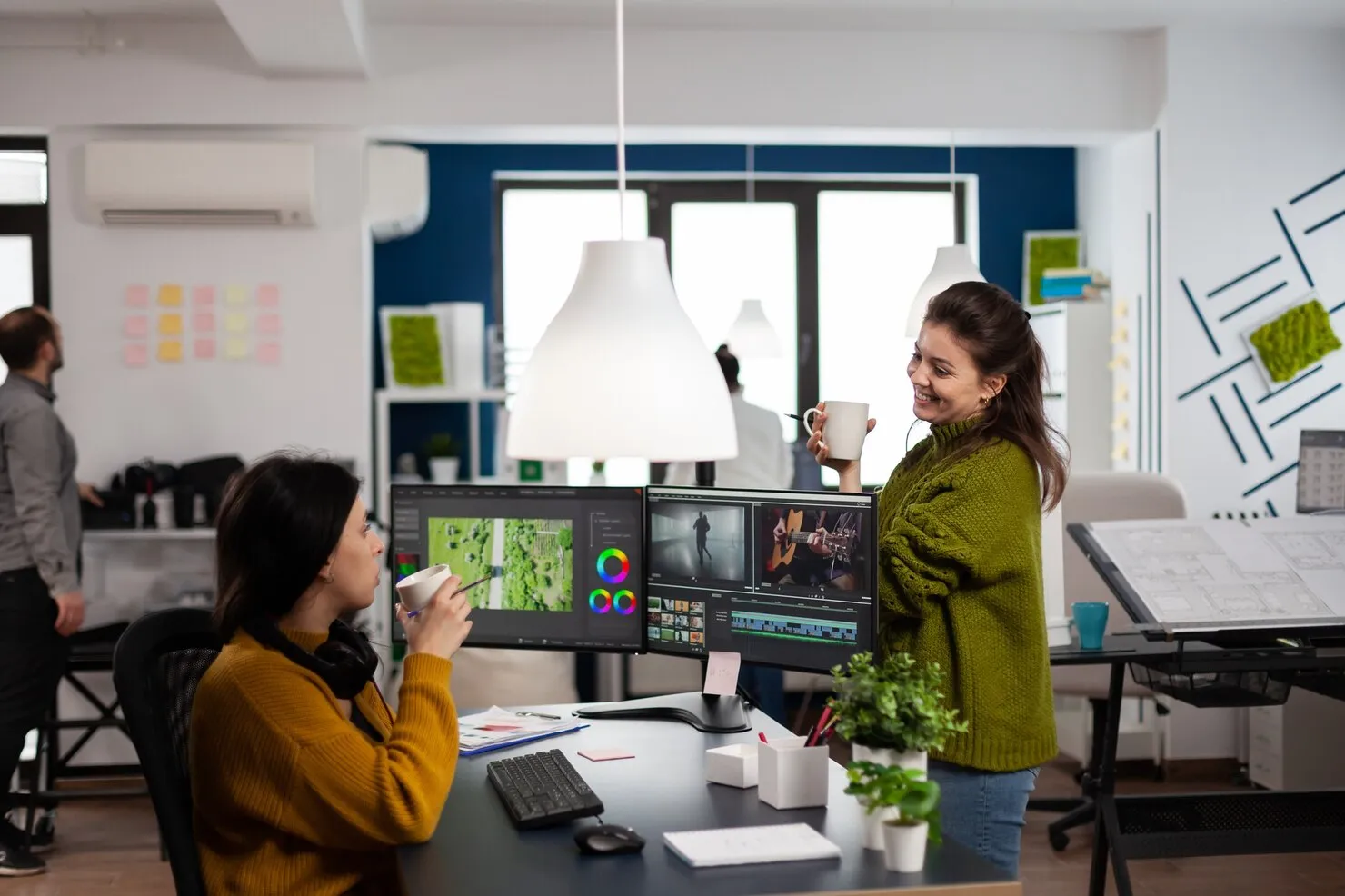
Seasonal internal activations are a repeatable annual budget line. This is proof of the calendar-moment format that internal comms and workplace teams buy year after year.
Internal comms and workplace teams run these moments regularly, and the format is well within reach. The failure pattern is consistent: the decision is made late, the good suppliers are gone, and the compromise version is the one the whole company remembers. The second pattern is set-up that overruns into the working day and turns a treat into a nuisance.
A multi-office seasonal programme becomes a logistics and consistency exercise: one concept, a kit that ships identically to each site, local crew briefed to the same document, and staggered dates where supply is contended. The advantage is that the concept work is done once and amortised across every location; the risk is that one under-resourced site produces the version everyone screenshots.
Feedback
“The supplier provided great service for today's event. The communication from the team was very effective and efficient. Also, the staff that turned up was on time despite the first time.”
A published review of Pearl Lemon Catering, a separate Pearl Lemon business — not a review of Pearl Lemon Experiences or this engagement. Read the supplier profiles on AddToEvent.
Send the brief, the dates and the venue. We come back with a staffing and delivery plan. Most activation programmes we take on start at around £25k and run to six figures for multi-site campaigns.
One where the theme runs through the format, serve and crew rather than the props. Halloween and Chinese New Year both work well because they carry a natural food and drink moment that gives people a reason to come to the floor.
Earlier than you think. Seasonal dates are fixed and the whole market competes for the same crew and stock in those weeks, so we lock commitments well ahead rather than close to the date.
Yes. We plan set-up, service and breakdown around building access and floor use, which is why office activations are usually scheduled into a defined window rather than run open-ended.
Six to eight weeks for peak dates. Crew, props and seasonal ingredients are contended across the whole market on the same day, and the date cannot move, so late booking means accepting whatever remains rather than the concept you wanted.
Design around what the occasion means to the audience rather than buying generic decoration. Fewer, better-executed elements read as considered; a large volume of low-cost props reads as a box being ticked, and internal audiences notice immediately.
Book a call or use the direct lines on this page. We scope the brief, the venue constraints and the dates, then come back with a staffing and delivery plan. Short lead times are normal for us — we have delivered activations in under a week.