
London Campaign Planning
Retail, corporate, public space, and venue-led activations across key London districts.
Kemp House, 152–160 City Road, London EC1V 2NX, United Kingdom
We plan London brand activations, pop-ups, launches, sampling campaigns, and live experiences built to measure.

We design and deliver brand activations across retail and roadshow, festival and sport, flagship product launch and B2B conferenceenvironments, then measure what each one returned.
See the full scope across our our services. Comparing agencies? Read our guide to the top UK experiential marketing agencies.
London audiences do not stop for passive marketing. They stop for moments that give them a reason to participate.
Pearl Lemon Experiences provides experiential marketing company in London services for brands that need more than awareness. We plan live brand experiences, pop-up campaigns, product launches, sampling activity, roadshows, and interactive events that move people from attention to action. Every campaign is built around audience flow, message control, staffing, site planning, and measurable reporting. Whether your brand needs footfall in Oxford Street, corporate participation in Canary Wharf, retail interaction in Covent Garden, or a launch moment in Shoreditch, the campaign needs a clear plan before the first customer arrives.
Retail, corporate, public space, and venue-led activations across key London districts.
Pop-ups, product launches, sampling, roadshows, interactive installations, and event production.
time, participation rate, QR scans, lead capture, product trials, and post-campaign reporting.
Staffing, supplier coordination, site planning, risk checks, and GDPR-aware data capture.
Our experiential marketing services are built for brands that need attention, participation, and clear campaign accountability. We plan the concept, audience journey, live environment, staffing, and reporting structure so the campaign has a commercial purpose before production begins.
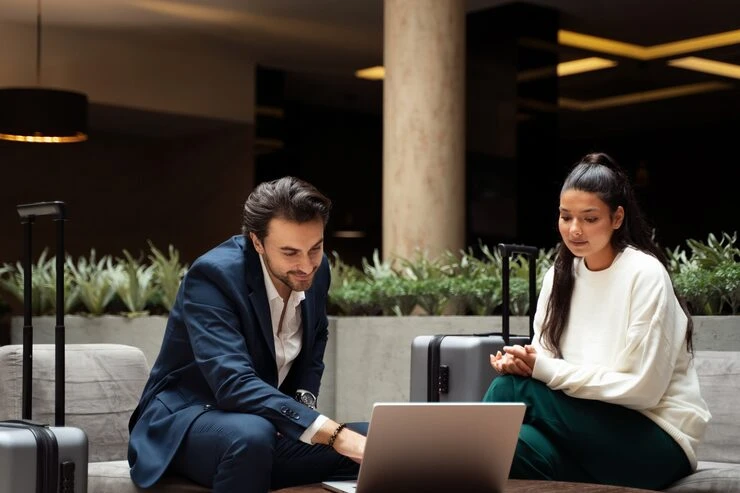
Many brand activations fail because the audience has no clear reason to interact. A display may look good, but weak participation mechanics lead to low dwell time, poor recall, and wasted campaign spend. We plan brand activation campaigns around audience movement, staff prompts, product interaction, and measurable participation. This includes campaign messaging, location selection, brand ambassador briefing, queue handling, and interaction points that help people understand the offer within seconds. For London campaigns, this can include high-footfall retail districts, commuter routes, business areas, exhibition venues, and culture-led locations. The goal is simple: more qualified interactions, stronger brand recall, better product understanding, and cleaner reporting after the activity ends.
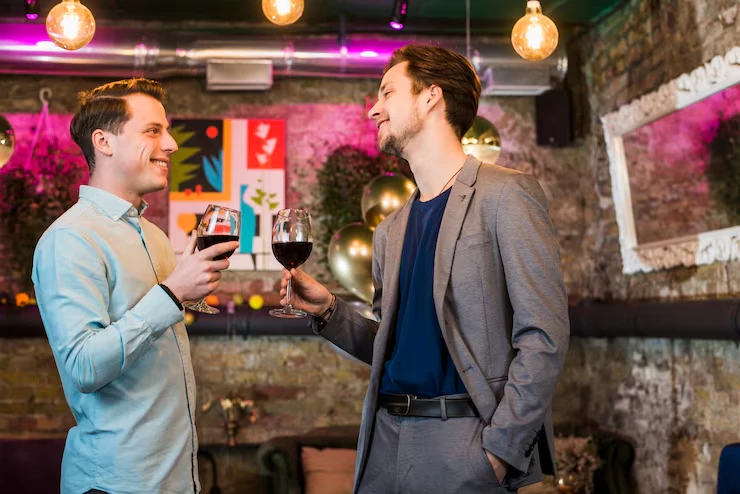
A pop-up without a conversion path becomes expensive theatre. Brands often secure a good location, then lose value through unclear messaging, weak layout, poor staff briefing, or no post-visit follow-up. We plan pop-up experiences around customer movement, product trial, staff conversation, lead capture, and purchase intent. Our work can include venue sourcing, layout planning, display flow, audience prompts, sampling areas, payment or booking points, CRM capture, and daily activity reporting. This is suitable for fashion, beauty, food and drink, technology, wellness, hospitality, and consumer product brands that need London visibility with measurable customer interaction. Done properly, a pop-up becomes a sales and insight channel, not just a branded room.
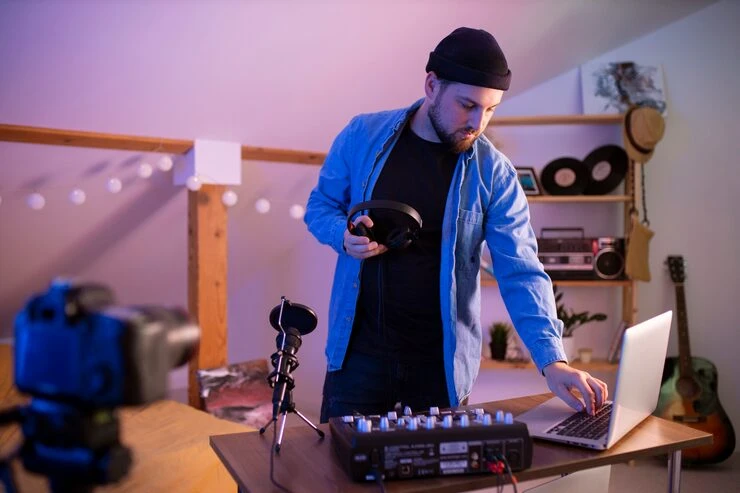
Product launches lose impact when the room looks good but the message is unclear. Press, influencers, buyers, partners, and customers need to understand the product story quickly and remember it after they leave. We plan product launch experiences that connect the product narrative with audience participation. This can include launch flow, product demo areas, speaker moments, guest movement, media touchpoints, influencer content areas, sampling, display planning, and follow-up data capture. For London launches in Shoreditch, Soho, Mayfair, King’s Cross, or premium venue spaces, the work has to feel controlled without feeling stiff. Every touchpoint should help the audience understand what the product does, why it matters, and what action to take next.
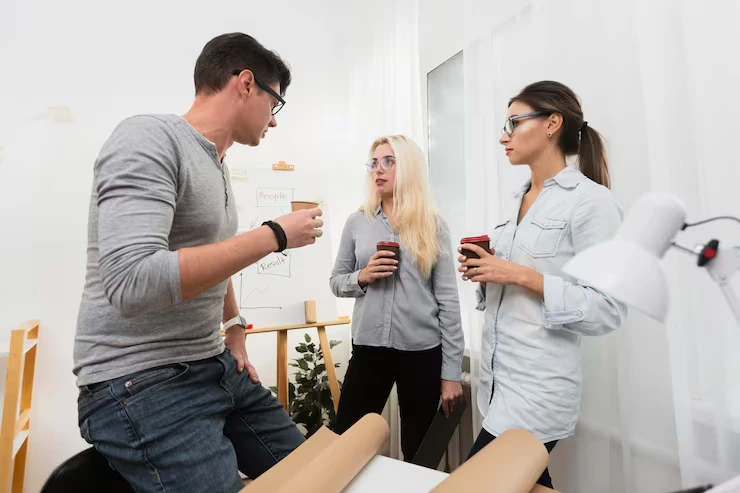
Sampling campaigns waste money when product distribution is treated as the result. The sample is only useful if it reaches the right audience, creates a moment of interest, and gives the brand a way to measure response. We plan sampling activity around audience targeting, site selection, stock control, staff scripts, product education, QR capture, offer redemption, and reporting. This gives marketing teams clearer visibility on who was reached, how they responded, and what follow-up action can happen after the campaign. For FMCG, beauty, wellness, food and drink, and retail brands, this helps reduce wasted stock, improve interaction quality, and connect product trial with measurable commercial activity.
Multi-site campaigns often break down because every location runs slightly differently. Messaging changes, staff standards vary, stock control slips, and reporting becomes inconsistent. We manage roadshows and multi-location activity with central campaign planning, repeatable site briefs, staff training, logistics coordination, branded assets, equipment movement, and location-by-location reporting. This is useful when a brand needs London plus regional rollout across major UK cities. Each site should feel consistent while still fitting the local audience. The result is tighter budget control, fewer delivery gaps, and campaign reporting that allows teams to compare performance across locations.

Experiential marketing becomes harder to justify when the campaign ends with photos but no performance view. Senior teams need evidence of participation, not just proof that the event happened. We add practical technology and reporting tools where they help the campaign. This can include QR journeys, interactive screens, lead forms, social participation, CRM handoff, attendance tracking, product trial recording, dwell time review, staff feedback, and post-event reporting. The aim is to help marketing teams assess cost per interaction, participation quality, follow-up potential, and future campaign improvements. Better measurement gives the campaign a stronger place in the wider marketing budget.
London is not one campaign environment. A brand activation in Canary Wharf needs different planning from a lifestyle pop-up in Shoreditch, a retail sampling push near Oxford Street, or a public-facing experience around Covent Garden. We plan London experiential marketing around audience type, site access, dwell time, staffing, permits, local restrictions, venue rules, weather exposure, and transport patterns. For public spaces and high-footfall areas, planning may include council permissions, risk assessments, method statements, insurance documentation, queue handling, and stock movement.
and Regent Street Best suited for retail activations, fashion, beauty, product sampling, and high-volume brand visibility.
and Old Street Strong for technology, lifestyle, creator-led launches, youth audiences, and culture-led campaign formats.
and City of London Useful for finance, fintech, B2B brands, corporate campaigns, workplace activations, and premium audience access.
Garden, Soho, and Southbank A strong fit for public participation, food and drink campaigns, entertainment brands, hospitality, and social sharing.
London and Westfield Stratford Useful for retail sampling, family audiences, consumer product launches, and controlled shopping-centre activations.
A consumer product brand needed more than stock distribution. The campaign required product trial, customer education, audience feedback, and clearer reporting for the internal marketing team. The campaign plan focused on high-footfall retail areas, trained brand ambassadors, controlled stock movement, short product scripts, QR-based follow-up, and daily reporting. The team tracked product conversations, samples distributed, audience questions, QR scans, and staff observations. The final campaign gave the brand a clearer view of audience response, product objections, location performance, and follow-up potential. This made the next campaign easier to plan, budget, and measure.
Our process gives clients clarity, structure, and confidence before money, suppliers, and dates are committed.
We review your campaign goal, audience, product, timeline, location needs, and budget range.
We check campaign risks, site requirements, staffing needs, permissions, and measurement options.
We define the format, audience journey, interaction points, delivery stages, and reporting structure.
We coordinate staff, suppliers, site setup, audience flow, stock movement, and issue handling.
We review participation, lead capture, dwell time, product trial, staff feedback, and next-step recommendations.
Corporate event planning is not just about making the room look good. It is about protecting reputation, spend, senior time and guest experience.
Before Production Every campaign begins with audience, location, offer, staffing, and measurement decisions before assets are built.
We structure reporting around useful KPIs such as participation rate, dwell time, samples distributed, QR scans, leads captured, and cost per interaction.
We account for transport patterns, venue access, borough requirements, public space limits, and local audience behaviour.
and Message Control Brand ambassadors and event staff are briefed around campaign goals, product language, audience questions, and escalation points.
and Compliance Checks Campaign planning can include RAMS, public liability requirements, supplier coordination, data capture consent, and on-site issue handling.
We operate with defined systems that prioritise accountability, visibility, and measurable outcomes. Every experiential marketing company in London engagement follows structured workflows covering planning, execution, and reporting. Our approach includes:We do not rely on informal execution. Every stage is documented and monitored to maintain consistency.
Your campaign has to do more than look good. It needs to attract the right audience, create participation, protect the budget, and give your team clear evidence after the activity ends. Our experiential marketing company in London services are built for brands that need live campaign planning, staff coordination, local delivery, and measurable outcomes. From brand activations and sampling campaigns to product launches, pop-ups, roadshows, and interactive event formats, we help turn audience attention into useful commercial movement.
Book A CallLondon is our headquarters. Other locations below are enquiry options, not office addresses. Confirm availability, local suppliers and delivery responsibilities for your specific brief.
London, UK
Global HQ
New York, USA
Project enquiry
Dubai, UAE
Project enquiry
Berlin, Germany
Project enquiry
Singapore
Project enquiry
Hybrid / Virtual
Discuss format and time zones
Brand activation services for enterprise campaigns: concept, build, staffing and measurement, delivered across the UK, Europe, the Gulf and Asia Pacific.
Explore Brand Activation ServicesWorried your brand isn’t noticed in London? Our activations agency in London plans campaigns that attract audiences and extend your reach.
Explore Activations Agency in LondonStruggling to make your brand noticed? Our London brand activation services increase engagement, awareness, and memorable experiences.
Explore Brand Activation Services LondonShare a few details and a Pearl Lemon Experiences strategist will reply with next steps, timings and an indicative budget.
Talk to a Pearl Lemon Experiences strategist and get a tailored plan, timeline and budget for your event.